Raise your hand if your job posting proudly declares your company has a "fun, fast-paced culture!"
Now, keep your hand up if you’re wondering why top tech talent keeps running in the opposite direction.
Yeah. That’s because your version of “fun” might actually sound like a nightmare.
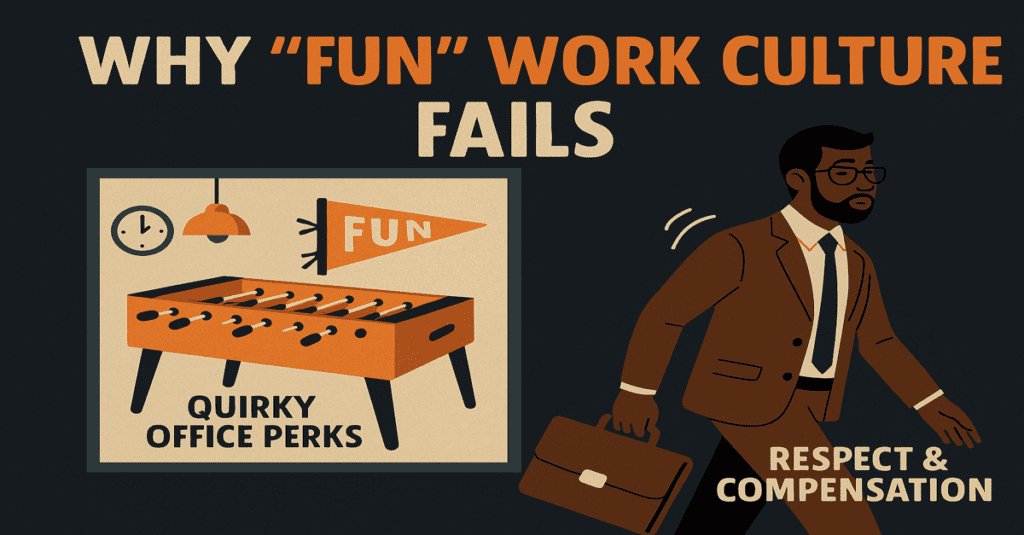
Too many companies try to lure developers, designers and engineers with quirky office perks, forced team bonding and a “work hard, play hard” mindset. But you know what really excites top tech talent?
- A salary that doesn’t make them question life choices.
- Not being forced into an escape room with coworkers.
- A job that respects their time, expertise and actual interests.
So before you start bragging about your beer fridge and ping-pong table, let’s break down why your “fun” company culture is actually scaring away great candidates—and how to fix it.
1. Your “work hard, play hard” mentality sounds like a threat
When a job post says “We work hard and play hard!” every developer reads that as “You’ll work 60-hour weeks, and we’ll pretend free pizza makes up for it.”
Here’s what’s wrong with that phrase:
- It implies a lack of boundaries. Work-life balance? Never heard of it.
- It suggests you don’t respect people’s time. If someone wants to go home at 5 p.m., does that mean they aren’t a “culture fit?”
- It assumes everyone wants to “play” with coworkers after hours. Most don’t.
What to do instead:
- Ditch the phrase altogether. It’s a red flag. Just say what you actually mean.
- Emphasize work-life balance. Instead of hyping your “hustle culture,” brag about reasonable work hours, autonomy and flexibility.
- Make sure your “fun” is optional. No one should feel forced into a 7 p.m. “team bonding” event at a bar.
Want to hire top talent without the burnout? TechTeems connects companies with developers who care about meaningful work—not just beer taps.
2. Forced fun is worse than no fun
A shocking revelation: Some people don’t want to spend their free time at work.
Yet, so many companies think “culture” means mandatory happy hours, weird icebreaker games and off-site retreats that require group hiking.

Here’s the problem:
- Not everyone likes socializing with coworkers. It’s okay to keep work and life separate.
- Forced fun doesn’t create real culture. People bond over trust, respect and meaningful work—not awkward small talk over flat beer.
- The best employees will avoid companies that don’t respect personal boundaries.
What to do instead:
- Make social events truly optional. No weird guilt-tripping if someone says no.
- Encourage connection, but don’t force it. Let teams bond naturally through work, not awkward group outings.
- Focus on team dynamics, not happy hour attendance. A strong team isn’t built on who shows up for drinks—it’s built on collaboration and respect.
3. Perks are nice—but they’re not culture
Too many companies confuse perks with culture.
Real culture is how a company treats people.
Fake culture is free snacks in the breakroom.
Here’s what top candidates actually care about:
- Competitive salaries. (Because kombucha on tap doesn’t pay the bills.)
- Good leadership. (A boss who doesn’t micromanage beats a foosball table every time.)
- Clear career growth. (What’s the point of unlimited PTO if you’re stuck in the same job forever?)
What to do instead:
- Offer meaningful perks, not distractions. Remote work, paid learning, and flexible hours > cold brew on tap.
- Make sure perks align with real needs. Free gym memberships? Great. A culture that expects people to work until 10 p.m.? Not great.
- Be clear about growth paths. Developers don’t just want a paycheck—they want a career.
4. If you’re calling your team a “family,” stop
“We’re like a family here!”
Translation: We’ll guilt you into working overtime and make it weird if you try to leave.
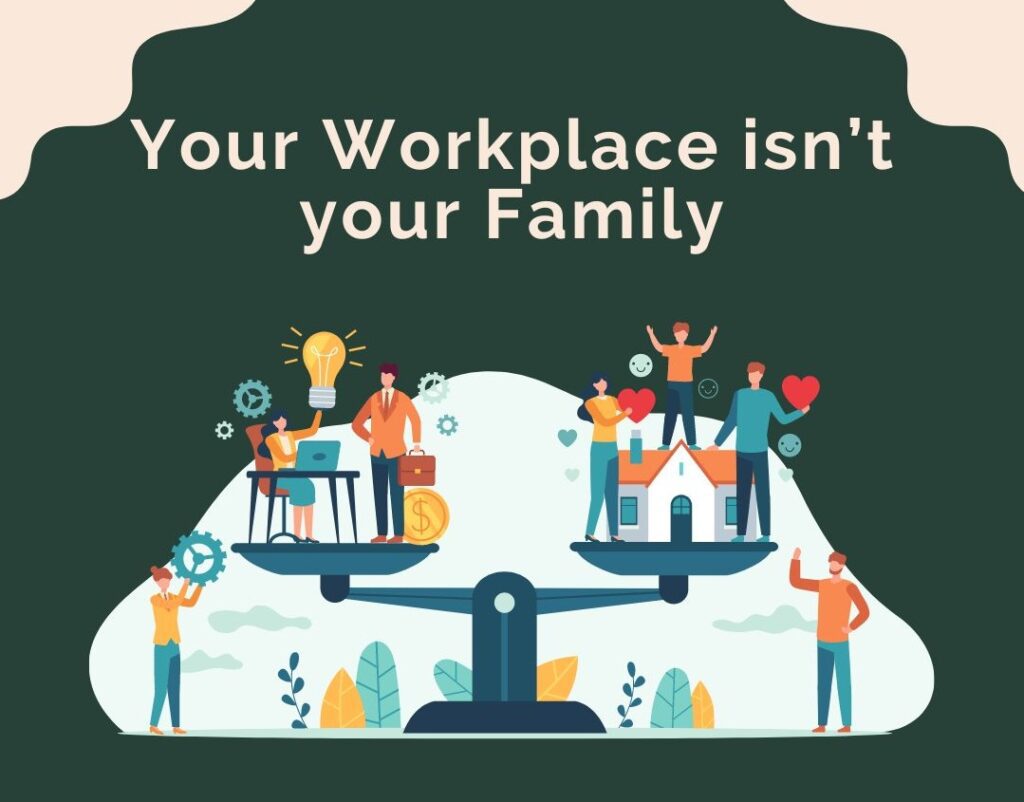
Look, people already have families. What they need from work is a team, not an emotional entanglement.
Here’s why “we’re a family” is a red flag:
- It blurs professional boundaries. Your employer is not your parent.
- It sets the stage for exploitation. Family doesn’t clock out—but employees should.
- It makes leaving feel personal. People should be able to move on without guilt trips.
What to do instead:
- Foster a strong team—not a weird pseudo-family.
- Respect employees’ personal lives. Work is one part of life—not all of it.
- Celebrate people when they move on. Good companies support career growth—even if it means an employee leaving.
5. A toxic work environment can’t be covered up with fun
You can’t fix bad leadership, unrealistic workloads or high turnover with a company bowling night.
If your company has:
❌ Constantly burned-out employees
❌ High turnover rates
❌ A reputation for toxic management
… then it doesn’t matter how fun your Slack emojis are. People will leave.
What to do instead:
- Fix the real problems first. A company with good leadership, fair pay and work-life balance doesn’t need gimmicks.
- Listen to your employees. If people are quitting, find out why—and actually do something about it.
- Make culture about trust, not perks. A “cool” culture isn’t about neon signs and free cold brew—it’s about respecting people’s time and contributions.
Fun culture isn’t forced—it’s built
If your version of “fun” means forcing employees to socialize after hours, paying below-market salaries, and micromanaging their workdays, top talent will run for the hills.
Instead, build a culture based on:
- Respect and autonomy.
- Fair pay and real benefits.
- Work-life balance that actually means something.
The best company cultures aren’t about beer taps and game rooms—they’re about treating people well.